
How to Check Criminal History in Harris County
Begin with the office that owns the fact being checked. The Harris County District Clerk public search is the first stop for a filed felony or Class A or B misdemeanor. HCSO is better for a recent booking, bond, housing, or current custody question. A city police department holds its own incident report. Texas DPS supplies a narrower statewide public record of reported convictions and deferred adjudications. This split is not a flaw in the search. It reflects how each agency creates and keeps a different record.
Gather the full name, date of birth, spelling variants, arresting agency, and an SPN or cause number when known. A common name is not enough to prove identity. Use the following order to move from a broad lead to the source record:
- Search the District Clerk by name or cause number for charges that were filed in Harris County courts.
- Check HCSO for a recent county booking, current jail location, bond, and next court setting.
- Use HCSO Offense Inquiry when an offense number, SPN, CDI code, or Harris County cause number is known.
- Check the DPS public name system for the statewide conviction and deferred-adjudication slice.
- Order a certified disposition from the clerk or use fingerprint review to confirm one’s own Texas record.
When the portals disagree, trust each one only for the field it owns. The clerk’s judgment is the best source for the court’s action. DPS explains statewide reporting, while the arresting agency remains the source for its report.
Three Harris County Record Views
One arrest can create three public views. An HCSO booking entry documents intake and may show an SPN, booking time, initial charges, bond, court, setting, and housing. The District Clerk file follows a cause number and shows what prosecutors filed, the docket events, and the disposition. The DPS public name product gathers reported Texas convictions and deferred adjudications. It does not expose the full nonpublic Computerized Criminal History file.
| Record | Best question | Main limit |
|---|---|---|
| HCSO booking | Is the person in county custody, and where? | Initial charges may change after review. |
| District Clerk case | What was filed, heard, and decided? | Municipal and JP matters stay in their courts. |
| DPS name result | What public conviction or deferred data was reported statewide? | A name match is not fingerprint proof. |
The HCSO Jail Information hub shows the custody side of this division.
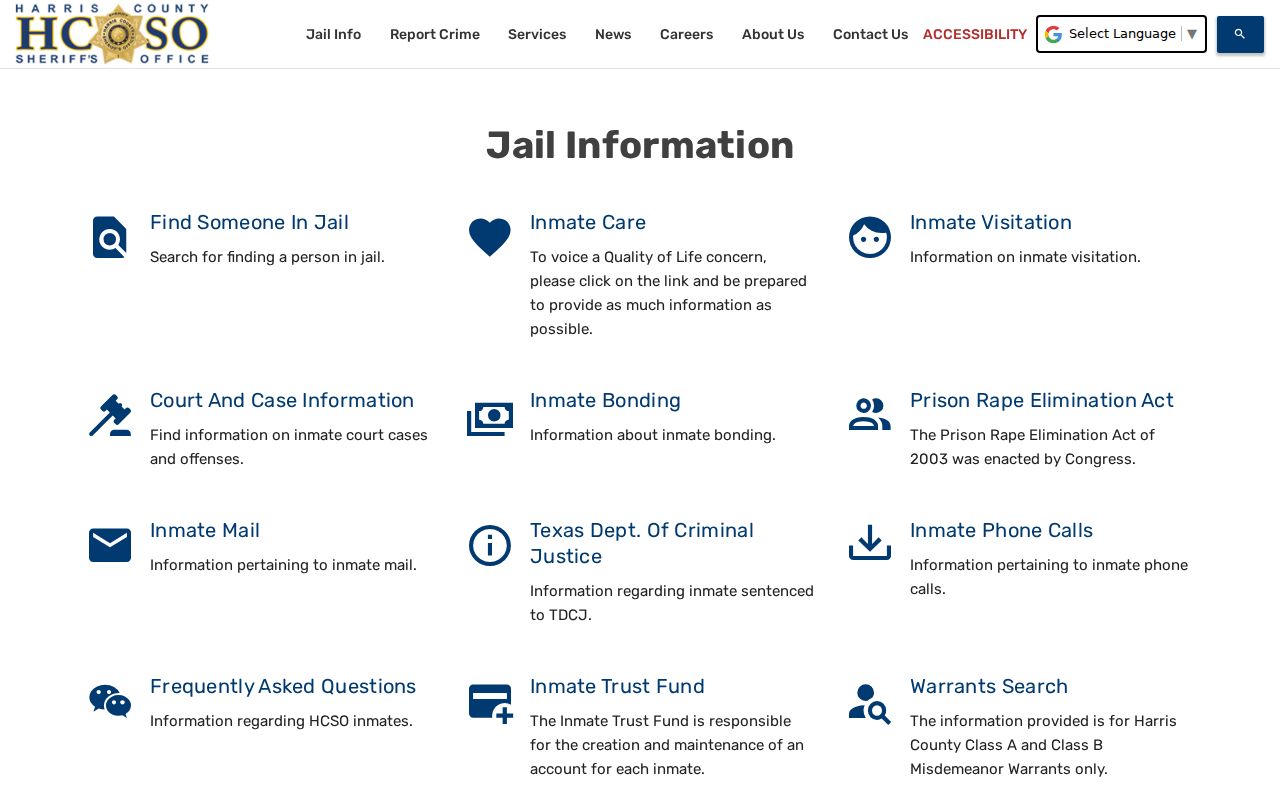
The page routes searchers to jail, offense, warrant, and notification services without turning those tools into one countywide history report.
Official Texas Background Checks
The Texas Department of Public Safety Crime Records Division is the state repository. Its Criminal History Conviction Name Search instructions explain account setup, prepaid credits, and result matching.

The public system requires first and last name. Middle name and birth date help narrow the result, while Soundex can return similar spellings. A search costs one $1 credit even when no match appears. Card purchases add a 2.25 percent fee per credit and a 25-cent transaction charge. Saving the result matters because DPS retains different items for set periods.
A person reviewing their own full Texas history should follow the DPS fingerprint process through Fingerprint Applicant Services of Texas. The IdentoGO enrollment service handles FAST scheduling.
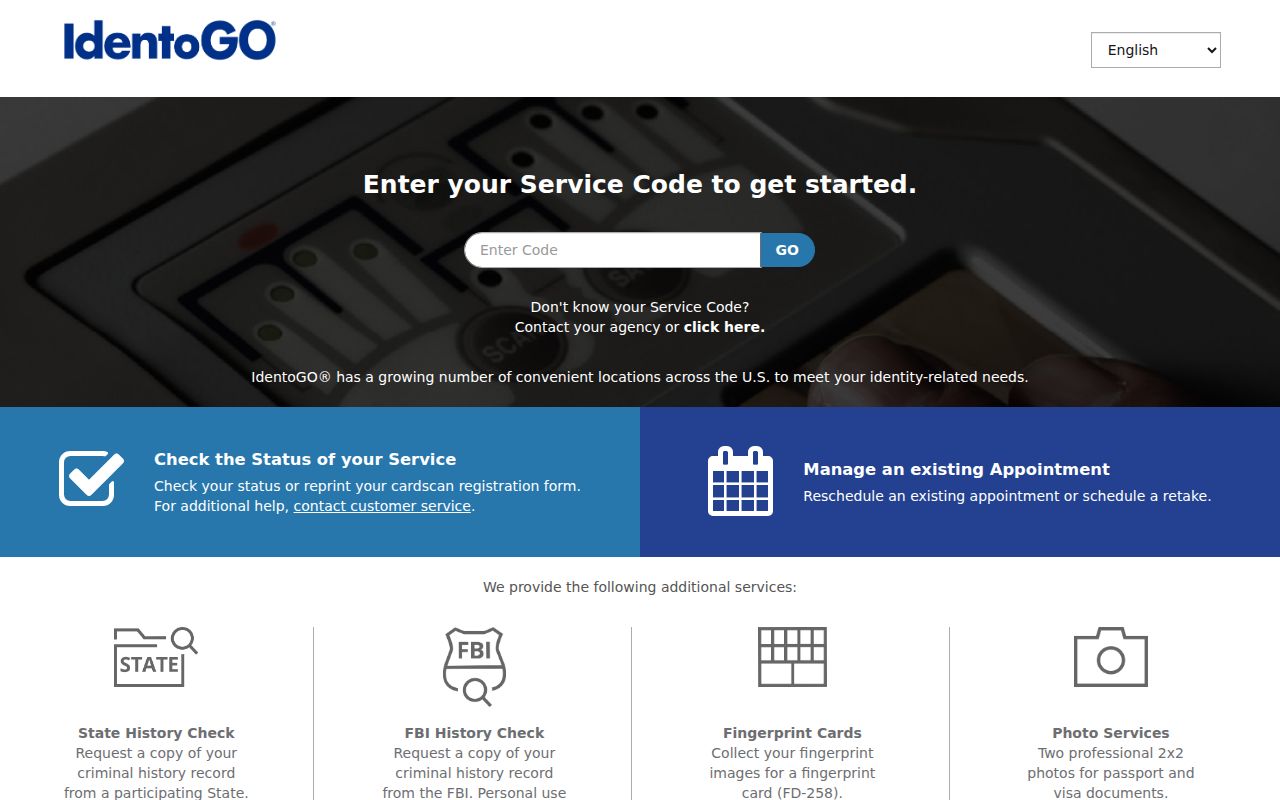
DPS lists a $15 record fee plus the FAST charge, with the current amount confirmed at scheduling. Fingerprints link the subject to the record and avoid the main weakness of a name-only Harris County criminal record search.
Harris County Court Record Counter
The Criminal Justice Center at 1201 Franklin Street is the practical hub for adult criminal case files. District Clerk Criminal Customer Service operates in Suite 3254. The building also holds criminal district courts, the 16 Criminal Courts at Law, and the District Attorney. A visitor can inspect a file, request a certificate of search or disposition, buy copies, or use a public kiosk. A known cause number avoids the clerk’s $5 identifying search when documents are ordered.
District Clerk Criminal Customer Service: 1201 Franklin St., Suite 3254, Houston, TX 77002; 713-755-7812 for case summaries and 832-927-5800 for customer service. HCSO Legal Department: 1200 Baker Street, Houston, TX 77002; 713-221-6000 for non-emergency service and 713-755-5300 for custody information.
Older records may require more than an online click. Harris County archives include criminal files dating to the nineteenth century, and some materials remain paper or microfilm. Security screening applies at the courthouse, so counter rules should be checked before a visit.
Types of Criminal Records
Each record type begins with a different act and custodian. Arrest and offense reports come from HCSO, a constable, Houston Police, another city department, or a state agency. Booking records come from the jail intake process. Complaints, informations, indictments, dockets, and judgments become court records after filing. Warrants belong to the issuing court and the agency asked to execute them. Juvenile records follow a more restricted route.
- Arrest and booking records: show intake and custody facts, not guilt.
- Criminal court files: show filed charges, court events, and outcomes.
- DPS history: links reportable Texas events through fingerprints, with a narrower public product.
- Supervision records: split between the sentencing court, HCCSCD, TDCJ, and parole authorities.
- Police and media records: stay with the agency that made or received the report.
Harris County Community Supervision and Corrections Department keeps local adult probation information. Its official service page separates client requests from public-information requests.

A court judgment may disclose a probation term, but detailed case management files are not a general public lookup. That line helps prevent a court search from being mistaken for a full supervision report.
Harris County SPN Record Search
HCSO assigns a system-person number, or SPN, during county processing. The number can connect a person to bookings, housing, causes, and offense inquiries within the Harris County system. It does not establish that every event belongs to the same person without other identifiers, nor does it replace a state SID or FBI number.
| HCSO field | How it works | Useful detail |
|---|---|---|
| Last name | May be used alone | Enter at least three characters. |
| First name | Use with last name | Try known spelling variants. |
| Birth date | Use with last name | Format is MM/DD/YYYY. |
| SPN | May be used alone | Best local system key when known. |
| SSN | Nine digits; may be used alone | Avoid shared or public devices. |
The Harris County Sheriff’s Office home page identifies the agency behind the county custody and booking systems.

HCSO is a large records holder, but it cannot retrieve an incident report created by another city or police agency.
What a Harris County Criminal Record Shows
A complete record can hold several arrest and court cycles. Public systems suppress many sensitive identifiers, so the visible fields vary. Read the label before drawing a conclusion. “Disposed” means the court reached a terminal event; it does not always mean conviction. “Released” describes custody. It says nothing about guilt or whether charges remain pending.
| Name and identifiers | Reported names, aliases, birth date, physical descriptors, SPN, SID, or FBI number when law permits. |
|---|---|
| Arrest and booking | Agency, date, tracking number, intake charge, bond, booking time, and custody status. |
| Charges and statutes | Complaint, information, or indictment counts with offense descriptions and code cites. |
| Disposition | Conviction, dismissal, acquittal, deferred adjudication, or another recorded result. |
| Sentence | Confinement, fine, restitution, or community-supervision terms entered by the court. |
| Custody or supervision | County housing, state custody, probation, parole, or release data held by the proper agency. |
A booking charge may change before prosecution. The District Clerk’s filed instrument and judgment answer what the court actually handled.
Fix Harris County Record Gaps
A dismissal visible in the Harris County court file may not appear promptly in the DPS cycle. DPS says missing dispositions can result from a clerk submission that never arrived or was returned for an error. Do not try to fix the entry from a name-only result. First complete a fingerprint personal review to prove that the Texas record is yours. Then obtain a certified disposition from the Harris County District Clerk and follow DPS correction instructions.
- Dismissed
- The charge ended without a conviction on that count.
- Deferred adjudication
- The judge withheld a finding of guilt while supervision was completed; the record is not automatically erased.
- No-bill
- The grand jury declined to indict the charge.
- Nondisclosure
- The record remains but ordinary public release is restricted under a court order.
DPS correction help is available at 512-424-7256. Personal-review procedure questions go to 512-424-2474, option 2.
Public Access Laws
Texas law uses separate access rules for agency records, court files, repository data, cleared records, and registry entries. A broad request does not make confidential material public. The useful approach is to name the existing record, send the request to its custodian, and ask for any segregable public portion when redaction is needed.
Key Texas authorities:
Government Code Chapter 552 gives public access to completed government information subject to exceptions and prompt-production rules.
Government Code §§411.083 and 411.135 protect DPS criminal history while opening reported conviction and deferred-adjudication data.
Code of Criminal Procedure Chapter 55A governs expunction of qualifying arrest records.
Family Code Chapter 58 restricts juvenile justice information and sets sealing rules.
Court case records are judicial records, not ordinary HCSO public-information files. DPS dissemination also follows Chapter 411 rather than the Texas Public Information Act alone.
Harris County Record Agency Boundaries
HCSO Legal Services is the fallback for HCSO-created offense reports, booking materials, and other sheriff records. It is not a countywide clearinghouse. Its form asks for the record sought, report number, names and birth dates, incident location, date, and requester contact details. Mail or deliver the request to the Harris County Sheriff’s Office Legal Department at 1200 Baker Street, Houston, Texas 77002. A fee is quoted after responsive material is found.
The form excludes crash reports, background checks, subpoenas, medical records, crime statistics, and 911 or call-slip material because those items have separate channels. A report made by Houston, Pasadena, Baytown, a constable, METRO, or another agency must be requested from that creator. Estimates above $40 trigger an itemized notice and may require a deposit. The ten-business-day rule often discussed under the Texas Public Information Act concerns agency action and Attorney General procedures, not a promise that every record will be produced within ten days.
Sealed, Expunged & Restricted
Texas uses two distinct clearing tools. Expunction under Code of Criminal Procedure Chapter 55A can direct named agencies to destroy, delete, or return qualifying records. An order of nondisclosure generally leaves the record in place while barring ordinary public disclosure. Courts, law enforcement, and listed government or regulatory users may still have access after nondisclosure. Juvenile files, victim information, and nonpublic DPS history follow their own limits.
| Feature | Expunction | Nondisclosure |
|---|---|---|
| Core effect | Covered records are removed as the order directs. | Records remain, but public release is restricted. |
| Common route | Acquittal, pardon, certain dismissals or no-bills, and other defined outcomes. | Qualifying deferred adjudications and certain convictions. |
| Harris County base fee | $350 plus service costs. | $350 for district and county courts. |
The Harris County District Attorney explains local agreed pathways for certain qualifying matters on its clearing a criminal record page.
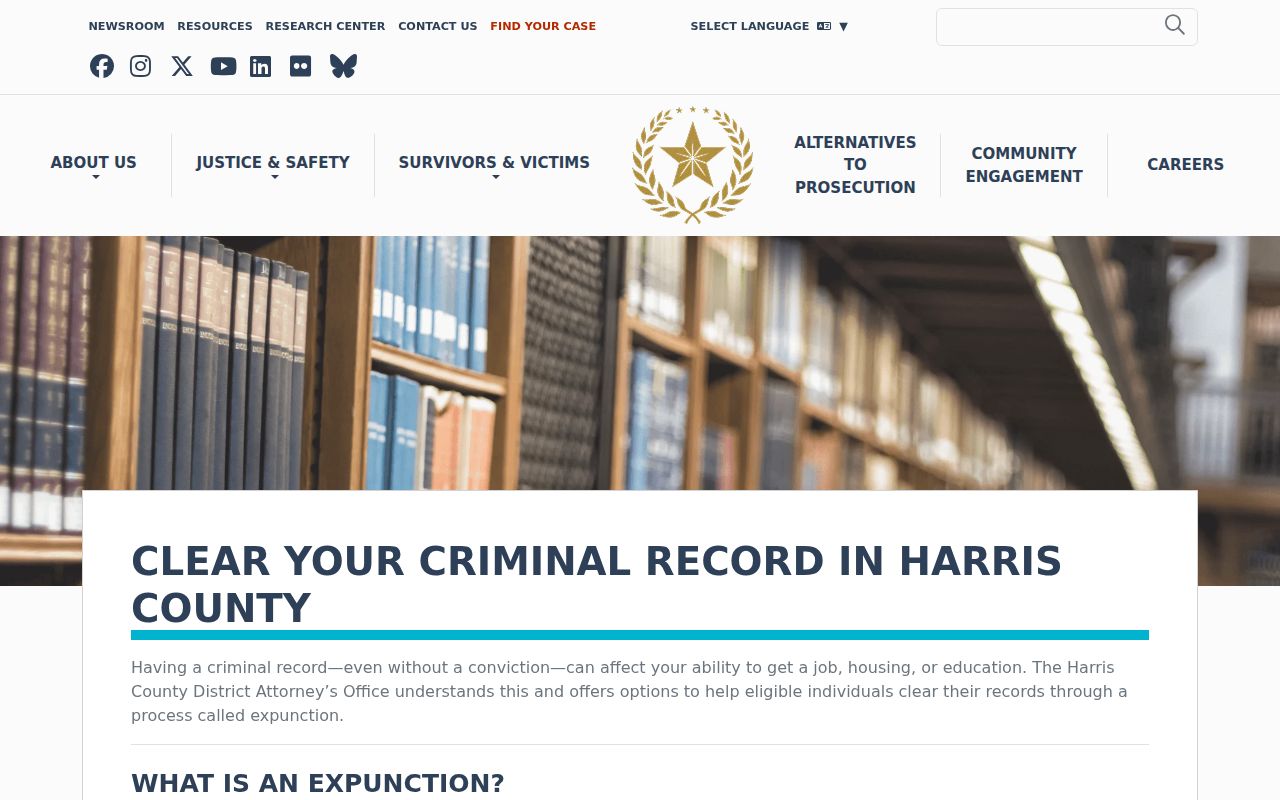
District Clerk guidance directs expunction petitions through eFileTexas and Civil/Family Post Trial. Eligibility depends on the full arrest and all companion charges, not one dismissed count alone.
Harris County Warrant Record Paths
No single public screen guarantees every Harris County warrant. HCSO’s jail hub publishes a limited Class A and B misdemeanor warrant route. A felony warrant, municipal capias, justice-court warrant, sealed matter, or newly issued order may not appear there. The issuing court owns the judicial record, while law enforcement tracks execution. A person trying to resolve their own warrant should confirm the cause with the court and obtain legal advice before appearing.
Start with the cause number and the court named in any notice. The District Clerk covers filed district and county criminal matters. City municipal courts handle fine-only cases and their capias records. HCSO can answer county custody questions at 713-755-5300, but it does not promise a complete warrant clearance. A missing web result is never proof that no warrant exists.
Harris County Custody Record Lines
County jail, state prison, parole, and federal custody are separate record layers. HCSO follows pretrial and county-jail custody. A person serving a Texas prison sentence moves to the Texas Department of Criminal Justice record system. The TDCJ Online Inmate Search is the official state-prison locator.
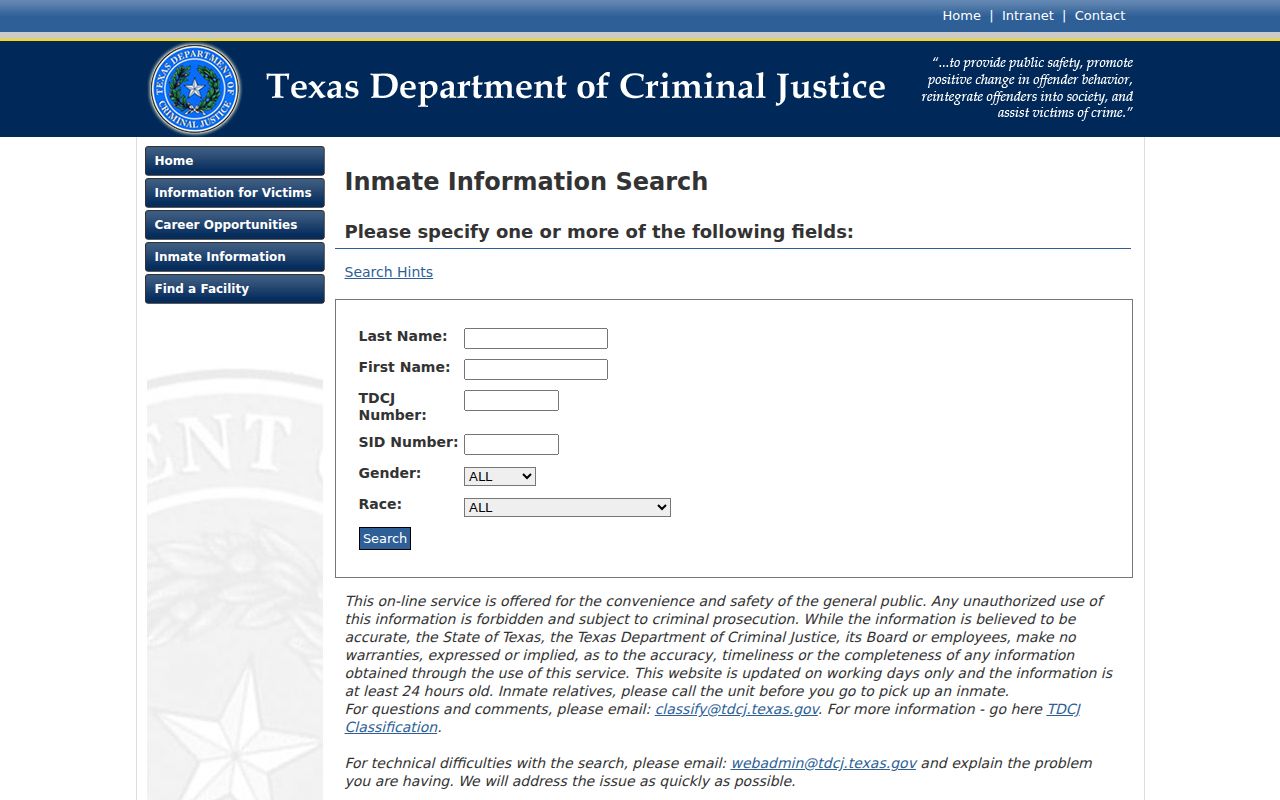
The state locator is not a substitute for a current Harris County booking search. Parole decisions belong to the Texas Board of Pardons and Paroles, while TDCJ’s Parole Division performs supervision. The Board’s official page explains that distinct role.
Federal cases form another layer. Harris County lies in the Southern District of Texas, Houston Division. PACER holds federal dockets, and the Bureau of Prisons locator covers federal inmates. The Houston Division courthouse page identifies the local federal court.
A federal docket may contain sealed entries, and a federal arrest does not become a Harris County court case merely because it occurred here.
Criminal Records by City in Harris County
City boundaries decide which police department holds an incident report and which municipal court holds a fine-only case. Houston sends jail processing into the county Joint Processing Center. Pasadena keeps a municipal jail and a police records window. Baytown maintains a live city jail roster, yet part of the city crosses into Chambers County. These city record guides keep that local detail separate from county and statewide searches.
Houston Criminal History
Population estimate 2,390,125. HPD reports and Houston Municipal Court records begin with city channels.
Pasadena Criminal History
Population estimate 149,617. Pasadena police, municipal court, and city jail maintain distinct records.
Baytown Criminal History
Population estimate 86,004. Baytown offers police reports, court files, and a city jail roster.
Use the address, arresting agency, and court name to confirm the county. A city name alone can cross a county line.